

What Makes a Pallet Suitable for Heavy Loads?
Key Takeaways
Choose the Right Material: PP (Polypropylene), HDPE (High Density Poly Ethylene, each have strengths for heavy loads and specific environments.
Design Affects Durability: Steel structure Reinforcements, thicker deck, and pallet design
Distribute Loads Evenly: Proper size, support points, and non-slip surfaces prevent tipping and damage.
Consider Environmental Factors: Moisture, temperature, and chemical exposure influence pallet performance.
Inspect and Maintain: Regular checks and proper storage keep pallets safe, strong, and long-lasting.
Informed Selection is Key: Choosing the right pallet involves understanding materials, load types, handling methods, and regulatory requirements. Expertise from manufacturers like Vanqo ensures pallets are tested, compliant, and suitable for heavy-duty use.
When it comes to transporting and storing heavy items, the choice of pallet can make a significant difference. Not all pallets are created equal, and selecting the right one ensures safety, efficiency, and durability. Understanding what makes a pallet suitable for heavy loads is essential for businesses and individuals who handle bulky or weighty goods regularly.
Key Features of Pallets Designed for Heavy Loads
Pallets intended for heavy loads have specific characteristics that set them apart from standard pallets. These features contribute to their strength, stability, and longevity.
Material Quality and Type
The material used in pallet construction is crucial. Heavy load pallets are often made from:
Hardwood: Known for its strength and durability, hardwood pallets can support substantial weight without breaking.
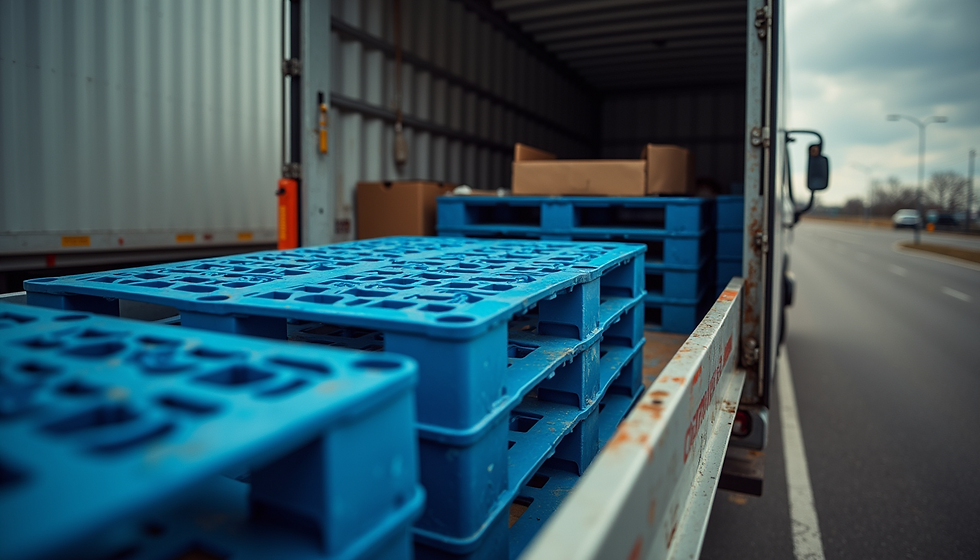
Plastic (HDPE or PP): High-density polyethylene (HDPE) and polypropylene pallets offer excellent resistance to moisture, chemicals, and impact, making them ideal for heavy-duty use in clean or humid environments. A recent study of HDPE shows that its elastic modulus and ultimate tensile strength remain strong under higher strain rates, though both decline with rising temperature, thus supporting its stability in most industrial environments.
Metal: Steel or aluminum pallets provide exceptional strength but are heavier and more expensive. It provides exceptional strength for extremely heavy or industrial loads. Aluminium hygienic pallets are increasingly adopted in pharmaceutical and cleanroom sectors due to their non‑porous surfaces, resistance to moisture absorption, easier sterilisation, and superior corrosion resistance.
Each material has its pros and cons, but the choice depends on the specific application and environment.
Structural Design and Reinforcement
The design of the pallet plays a vital role in its load-bearing capacity. Features include:
Thicker Deck Boards: More robust boards reduce the risk of bending or breaking under heavy weight.
Additional Stringers or Blocks: Extra support beams increase stability and distribute weight evenly.
Reinforced Corners and Edges: These areas often bear the most stress and benefit from added strength.
A well-engineered pallet design ensures that heavy loads are supported safely during handling and transport.

Load Distribution and Stability
A pallet suitable for heavy loads must distribute weight evenly to prevent tipping or damage. This involves:
Balanced Support Points: Ensuring the pallet has enough contact points with the ground or forklift.
Non-slip Surfaces: To keep the load from shifting during movement.
Proper Size and Shape: Matching the pallet size to the load dimensions helps maintain stability.
These factors reduce the risk of accidents and product damage.
Understanding Heavy Loads and Their Impact on Pallet Selection
Heavy loads vary widely depending on the industry and the type of goods being handled. Knowing the nature of the load helps in choosing the right pallet.
Types of Heavy Loads
Industrial Equipment: Machinery parts and tools often require pallets that can handle thousands of pounds.
Construction Materials: Bricks, cement bags, and steel rods need pallets with high durability.
Bulk Food Products: Large quantities of canned or bottled goods demand pallets resistant to moisture and weight.
Each type of load has unique requirements that influence pallet choice.
Environmental Considerations
Heavy loads are often stored or transported in challenging environments. Pallets must withstand:
Moisture and Humidity: Plastic pallets resist water damage better than wood.
Temperature Extremes: Some materials perform better in cold storage or hot conditions.
Chemical Exposure: Pallets used in chemical industries need to be resistant to corrosion.
Selecting pallets that match environmental conditions extends their lifespan and maintains safety.

How much weight can a heavy-duty pallet hold?
The weight capacity of a heavy-duty pallet depends on its material, design, and construction quality. Generally:
Wooden Heavy-Duty Pallets: Can support between 3,000 to 5,000 pounds (1,360 to 2,270 kg) depending on the wood type and build.
Plastic Heavy-Duty Pallets: Typically hold 2,500 to 4,000 pounds (1,130 to 1,815 kg), with some specialized models supporting even more.
Metal Pallets: Can carry upwards of 5,000 pounds (2,270 kg) and are used for extremely heavy or industrial loads.
It is important to check manufacturer specifications and conduct load testing when necessary. Overloading a pallet can lead to failure, causing damage and safety hazards.
Factors Affecting Weight Capacity
Load Distribution: Concentrated loads reduce capacity compared to evenly spread weight.
Handling Method: Forklift or manual handling impacts the stress on pallets.
Pallet Condition: Worn or damaged pallets have reduced strength.
Using a heavy duty pallet designed for your specific load ensures optimal performance and safety.
Maintenance and Inspection for Heavy Load Pallets
Proper care extends the life of pallets and maintains their load-bearing capabilities.
Regular Inspection
Check for Cracks or Splinters: Especially in wooden pallets.
Look for Warping or Bending: Indicates structural weakness.
Inspect Fasteners and Joints: Loose nails or screws can compromise strength.
Cleaning and Storage
Keep Pallets Dry: Moisture accelerates wood decay and metal corrosion.
Store Pallets Flat: Prevents warping and damage.
Avoid Overstacking: Excessive stacking can deform pallets at the bottom.
Routine maintenance helps identify issues early and prevents accidents.

Choosing the Right Pallet for Your Heavy Load Needs
Selecting the perfect pallet involves considering several factors:
Load Weight and Type: Match the pallet to the weight and nature of your goods.
Material Preferences: Decide between wood, plastic, or metal based on environment and budget.
Handling Equipment: Ensure compatibility with forklifts or pallet jacks.
Regulatory Compliance: Some industries require pallets to meet specific standards.
Cost vs. Longevity: Investing in durable pallets can save money over time.
When choosing pallets, it helps to refer to manufacturers with technical expertise in heavy-duty solutions. Understanding material properties, load testing, and proper design considerations - areas that Vanqo specialises in - ensures pallets meet operational and safety requirements without compromising performance.
By considering these factors, you can ensure safe, efficient, and cost-effective handling of heavy goods.
References
MDPI. Tensile and Impact Properties of High-Density Polyethylene. 2020. Available at: https://www.mdpi.com/2073-4360/12/9/1857
Growth Market Reports. Aluminum Hygienic Pallets for Pharma Market. 2025. Available at: https://growthmarketreports.com/report/aluminum-hygienic-pallets-for-pharma-market/amp
👤 By: Joren Diong
With 15 years of experience in plastic pallet manufacturing, Joren specialises in analysing customers’ supply chain flows, application requirements, and racking systems to deliver precise and effective pallet solutions. My expertise also includes developing and tailoring plastic formulations to meet specific operational needs.



Comments